Why Frame Straightening Matters Even When the Damage Looks Small
A bumper can look fine and the frame underneath can still be bent. Here's why that matters and how we check for it.
September 22, 2026 · 3 min read
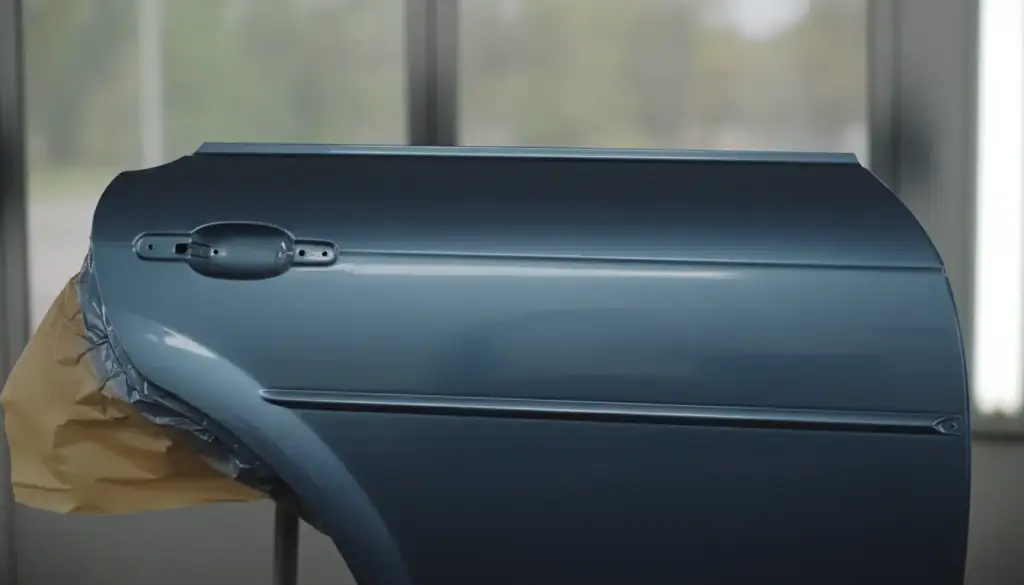
A bumper can look fine and the frame underneath can still be bent. That's the part of collision repair most drivers never see, and it's exactly why we check for it on every car that comes through our door, not just the ones that look badly hit. If a shop only fixes what's visible, you can drive away with a car that looks repaired and still isn't right underneath.
What the frame actually does
Your vehicle's frame, or unibody structure on most modern cars, is what everything else bolts to: the suspension, the engine mounts, the doors, the bumpers. It's also engineered to absorb impact in a specific way, so that in another collision it protects you the way it's supposed to. When that structure gets bent or twisted, even slightly, it changes how the car handles and how it protects you if you're ever in another accident.
Why cosmetic damage can hide structural damage
A hit that crumples a bumper or fender is transferring force somewhere. Sometimes that force stops at the panel. Sometimes it travels further back into the rails and structure underneath, especially in a harder hit, a rear end collision, or anything that pushed the car sideways. You can't always tell from looking at the outside. That's why state of the art frame straightening measurement is part of how we approach every collision repair, not an upsell we add if we happen to notice something.
Signs a car might have hidden frame damage
- Doors, hood, or trunk that don't close evenly or line up the way they used to
- The car pulling to one side even on a straight, flat road
- Uneven tire wear that shows up after an accident
- Gaps between body panels that look wider on one side
- A steering wheel that sits off center when driving straight
How we check and fix it
We measure the frame against factory specifications using precision equipment, not a guess and a level. If it's out of spec, we pull it back into position on a frame rack until it matches what the manufacturer built, then we recheck it. This is the part of the job that never shows up in a photo, but it's the difference between a car that's cosmetically patched and a car that's actually been repaired.
Why this matters for your safety and your resale value
A frame that's been straightened correctly holds up the way the manufacturer intended, in daily driving and in the unlucky event of another accident. It also matters if you ever sell or trade the car. A vehicle with a documented, properly repaired frame is a very different thing from one that was patched up around a bent structure and sold quietly down the road. Every repair we do is guaranteed for as long as you own the vehicle, and that includes the structural work, not just the paint.
Why we double-check our own work
Frame work isn't something we do once and call finished. After we've pulled a frame back into spec, we measure it again before it goes anywhere near primer or paint. If a panel goes back on before the structure is confirmed straight, it can hide a problem instead of fixing it, the exact issue we're trying to catch in the first place. We'd rather take the extra time to verify it twice than have you find out something's off six months down the road.
When a car isn't worth straightening
Occasionally frame damage is severe enough, or the vehicle is old enough, that the honest answer is that repair costs more than it makes sense to spend relative to the car's value. We'll tell you if that's the case rather than running up an estimate for a car that would be better served by a different decision. Most of what comes through our door isn't in that category, but when it is, you deserve to hear it plainly rather than find out later.
If you've been in a collision, even one that looks minor from the driveway, it's worth having it looked at properly rather than assuming a bent bumper is the whole story. Bring it by 25 Creek St in Beverly, or call (978) 927-3201, and we'll give you a straight answer and a free estimate on what it actually needs.
Big Jim's Auto Body, (978) 927-3201
Call (978) 927-3201More articles
After a Fender Bender in Beverly: What To Do in the First Hour
The bodywork part is our job. The first few minutes after a collision are yours, and here's how to handle them.
Where New England Rust Actually Starts (and Why Filler Isn't the Fix)
By the time rust shows up somewhere visible, it's usually already been working on the parts you can't see for a while.